-
Leaf Miner (Phyllocnistis citrella):
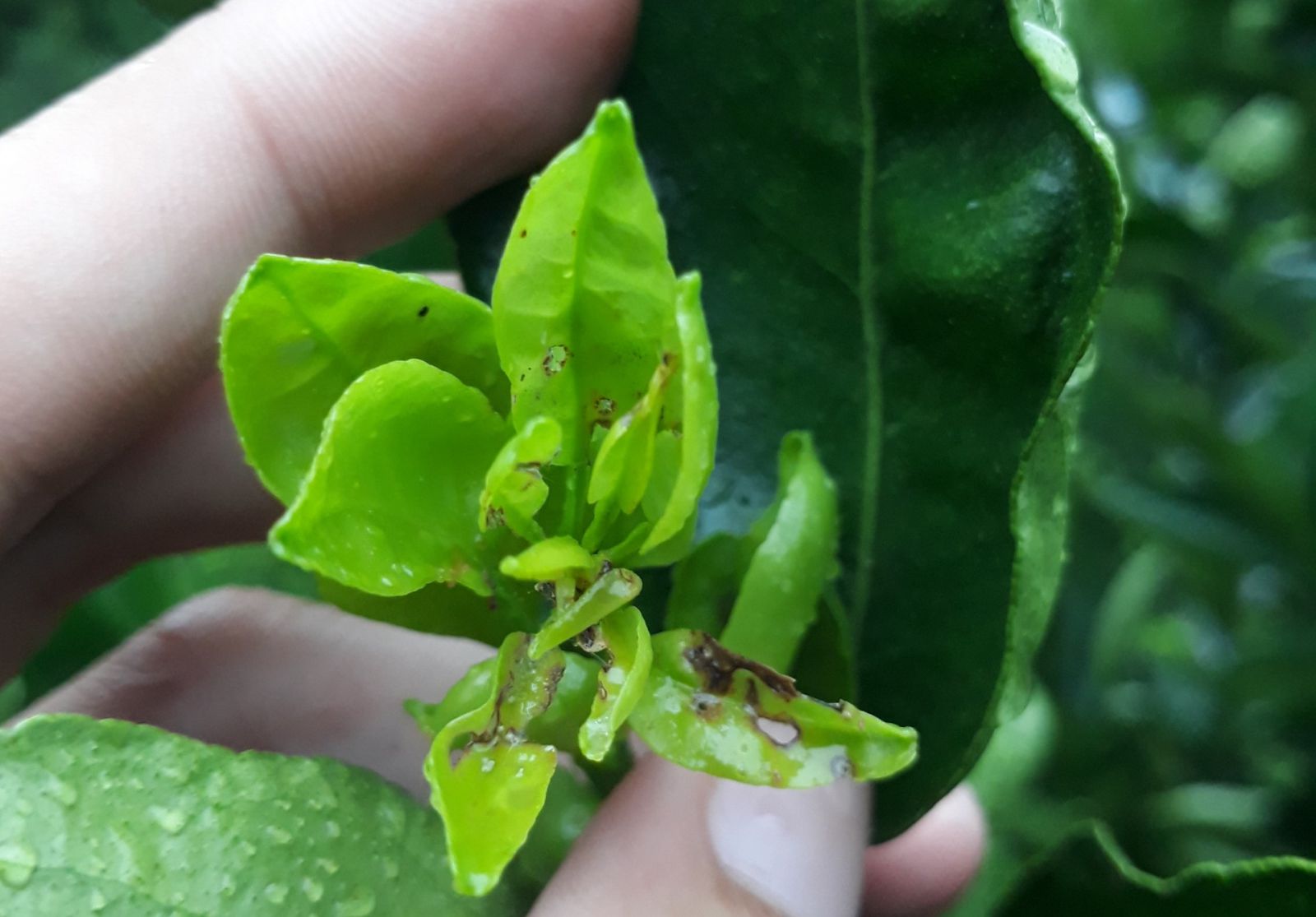
This pest thrives during the young flush stage. The larvae are tiny and tunnel under the epidermis of leaves, creating winding trails. Their feeding damages leaves, causing curling and distortion. The wounds also serve as entry points for bacterial canker.
Control Measures:
-
Encourage healthy tree growth and stimulate uniform shoot flushing to reduce infestation.
-
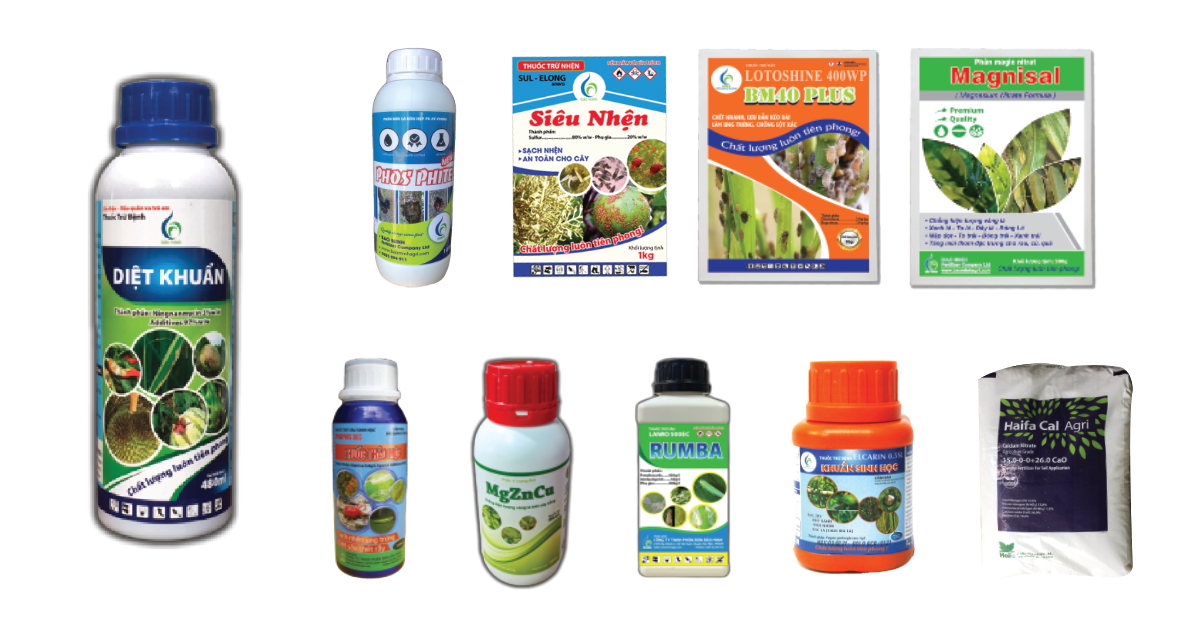
Recommended products: Herbal Pesticide, BM 247, BM 40, Sạch Nhện.
-
Control methods are similar to those for aphids.
-

-
Aphids:
Commonly feed on young shoots, causing stunted and curled leaves. Their presence encourages the growth of sooty mold and they are also vectors for Tristeza disease.
Tristeza Symptoms:
Most severe on lemon: stunted growth, small misshapen fruits, spoon-shaped curled leaves, swollen leaf veins. Holding leaves up to sunlight reveals transparent veins. Bark may show small depressions when peeled.
Control:
Spray pesticides such as RUMBA, BM40 PLUS, BM 40, METROZIN.
-
Asian Citrus Psyllid (Diaphorina citri):
This is a highly dangerous pest. It feeds on sap from young leaves and shoots and is the main vector of Huanglongbing (HLB or citrus greening disease).
Control:
Same approach as for aphids.
-
Red Spider Mites:
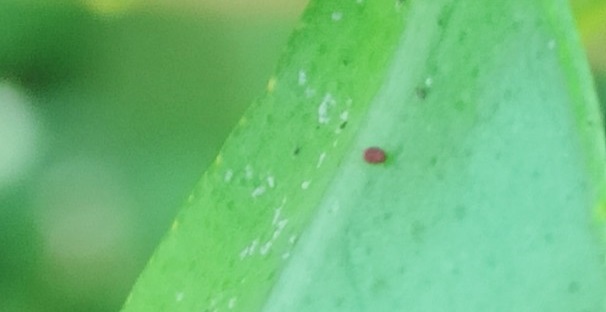
Larvae and adults are very small, in brown, yellow, or transparent white. They suck sap from the skin of young fruits (1–2 months old), causing a rough, dusty appearance that reduces market value.
Control:
Monitor mite populations closely on fruits and leaves. Use miticides such as Herbal Pesticide, Siêu Nhện, Sạch Nhện, Papa Bự. Heavy irrigation can reduce mite numbers; avoid spraying miticides during the rainy season but ensure proper drainage to prevent waterlogging.
-
Thrips:
On young leaves, thrips cause discoloration and distortion. On fruits, they damage the epidermis, forming gray patches or silver scarring. Thrips are most problematic during dry seasons.
Control:
-
Overhead irrigation can reduce thrips populations.
-
Use pesticides like 3 PHÚT, SÓI CA, BM 40, PAPA BỰ when thrips reach 3 per fruit. Rotate pesticides to prevent resistance. Apply a second spray 5–7 days after the first.
-
Citrus Canker:
Caused by bacteria, it affects leaves, fruits, and branches. Early lesions are water-soaked and dark green, later turning light brown with raised centers and yellow halos. On young fruit and branches, lesions may penetrate 1–3mm, causing early fruit drop or loss in market quality. Common during rainy seasons.
Control:
-
Remove and destroy infected leaves, fruits, and branches.
-
Apply bactericides like DIỆT KHUẨN, KHUẨN SINH HỌC, ĐỒNG XANH, ĐỒNG TÍM, MÊTAXY.
-
Gummosis (Root Rot & Gum Exudation):
Caused by fungi, it results in bark decay near the root collar and foul-smelling gum exudation. Infected trees have poor root systems, yellow leaves, and rotting root bark. Fungi can also attack fruits near the soil.
Control:
-
Use resistant rootstocks like Volkamer lemon or trifoliate orange.
-
Ensure well-drained soil, avoid mulching near the base, and prevent injuries to roots and base.
-
Early detection is key. Scrape diseased bark to healthy wood and apply or drench the area with Phos Zn 550, MÊTAXY, Mancozeb Gold, Phosphite, Fosetyl-Al. Remove infected fruits.
-
Spray fungicides regularly: BM SIÊU DIỆT NẤM.
-
-
Greening (HLB - Huanglongbing):
This is the most destructive citrus disease. Infected trees show blotchy yellow leaves with green veins, small distorted leaves, and asymmetric fruits with off-centered cores.
Control:
-
Uproot and destroy infected trees and psyllid host plants like curry leaf or dodder.
-
Use disease-free planting material.
-
Isolate citrus groves with windbreaks.
-
Spray insecticides regularly during new flushes, especially in the rainy season.
-
Scab (Elsinoë fawcettii):
Caused by fungi affecting leaves and young fruits. Typically appears during new leaf and fruit stages. Infected tissues develop rough, scabby lesions, reducing fruit market value.
Control:
-
Spray fungicides like HEXA VANI, Euro Coper, PROTOP during new flush stages.
-
Prune branches to improve airflow.
-
Apply organic fertilizers annually, with lime once a year.
-
Maintain surface grass with shallow-rooted species; trim but avoid uprooting.
-
Avoid fertilizing or watering directly at the base; keep mulch 20–30cm away.
-
Remove trees with greening symptoms and spray for psyllids during shoot flush.
-
Anthracnose:
Fungal disease affecting both leaves and fruits. On leaves, it commonly attacks tips and edges. On fruits, small yellowish circular sunken spots appear.
Control:
-
Prune for ventilation after harvest, remove and destroy infected materials.
-
Avoid watering over the canopy once disease is detected.
-
Monitor regularly and spray at the first sign of infection.
-
Regularly apply fungicides like BM SIÊU DIỆT NẤM, HEXA VANI.
-

Product Links:
-
Fertilizers
-
Crop Protection Products
YouTube – Fanpage: Bảo Minh FE
Group: https://www.facebook.com/groups/kythuatbaominh
Zalo: 0985294911
Wishing all farmers great success in cultivation!