Soil pH is a measure of the acidity or alkalinity of the soil. It is usually tested using pH measuring devices, such as the Takemura DM-15 (Japan) shown in the picture.

Very acidic soil: 3.0 – 4.0
Acidic soil: 4.0 – 5.5
Slightly acidic soil: 5.5 – 6.5
Neutral soil: 6.5 – 7.0
Slightly alkaline soil: 7.1 – 7.5
Alkaline soil: 7.5 – 8.0
Highly alkaline soil: > 8.0
In practice, a pH below 5.5 results in reduced yields and slow plant growth. Under low soil pH conditions, the available micronutrients such as manganese, aluminum, and certain ions increase significantly, often leading to root toxicity and poor root development.
According to research, the percentage of nitrogen, phosphorus, and potassium absorbed based on pH levels is as follows:
pH 4.5: 30% N, 23% P, 33% K
pH 5.0: 53% N, 34% P, 52% K
pH 5.5: 77% N, 48% P, 77% K
pH 6.0: 89% N, 52% P, 100% K
pH 7.0: 100% N, 100% P, 100% K

How to adjust pH according to soil type:
-
For acidic soil: The simplest way to increase pH is to apply lime or other alkaline substances to the soil.
-
For alkaline soil: It is necessary to add acidifying trace elements such as sulfur, ferrous sulfate, aluminum sulfate, etc. These dissolve alkaline substances, lowering the soil pH back to a neutral state.
-
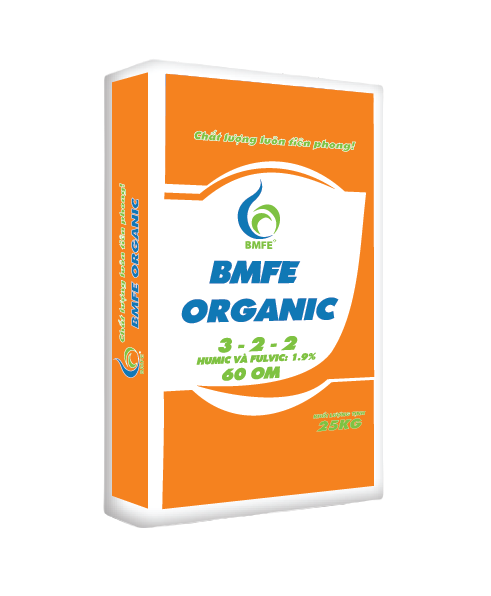
Additionally, applying organic fertilizer is also an effective method to loosen the soil and significantly improve pH.
https://baominhagri.com/bmfe-organic-phan-bon-huu-co-organic-compound-fertilize-25kg