

Windbreak Methods for Crops in the Southeast and Central Highlands: Reducing Leaf, Flower, and Fruit Drop

BMFE
Windbreak Methods for Crops in the Southeast and Central Highlands: Reducing Leaf, Flower, and Fruit Drop

    Windbreak Methods for Crops in the Southeast and Central Highlands: Minimize Leaf, Flower, and Fruit Drop

    The Southeast and Central Highlands are regions frequently affected by strong winds, especially during the rainy and stormy seasons. These intense winds not only cause leaf, flower, and premature fruit drop but also increase the risk of broken or uprooted trees, which can severely impact crop yield and quality.

    To minimize this damage, windbreak methods for crops have been studied and effectively applied. In this article, BMFE will guide farmers in building windbreak fences to better protect their orchards.

    Why is Wind Protection Necessary for Crops?

    • Reduce leaf, flower, and young fruit drop: Strong winds can damage delicate parts of the tree, causing flowers and young fruits to fall before harvest.

    • Prevent tree breakage or collapse: For large-canopy trees like durian, strong winds may cause trees to fall or branches to break, reducing tree lifespan.

    • Protect the orchard from direct wind impact: Windbreaks create a protective barrier, helping trees grow steadily and optimizing yield.

    Effective Windbreak Methods

    1. Materials for Building a Windbreak Fence

    Farmers can use the following materials to construct windbreak fences:

    • Wooden or iron posts: Serve as the main framework to secure the fence.

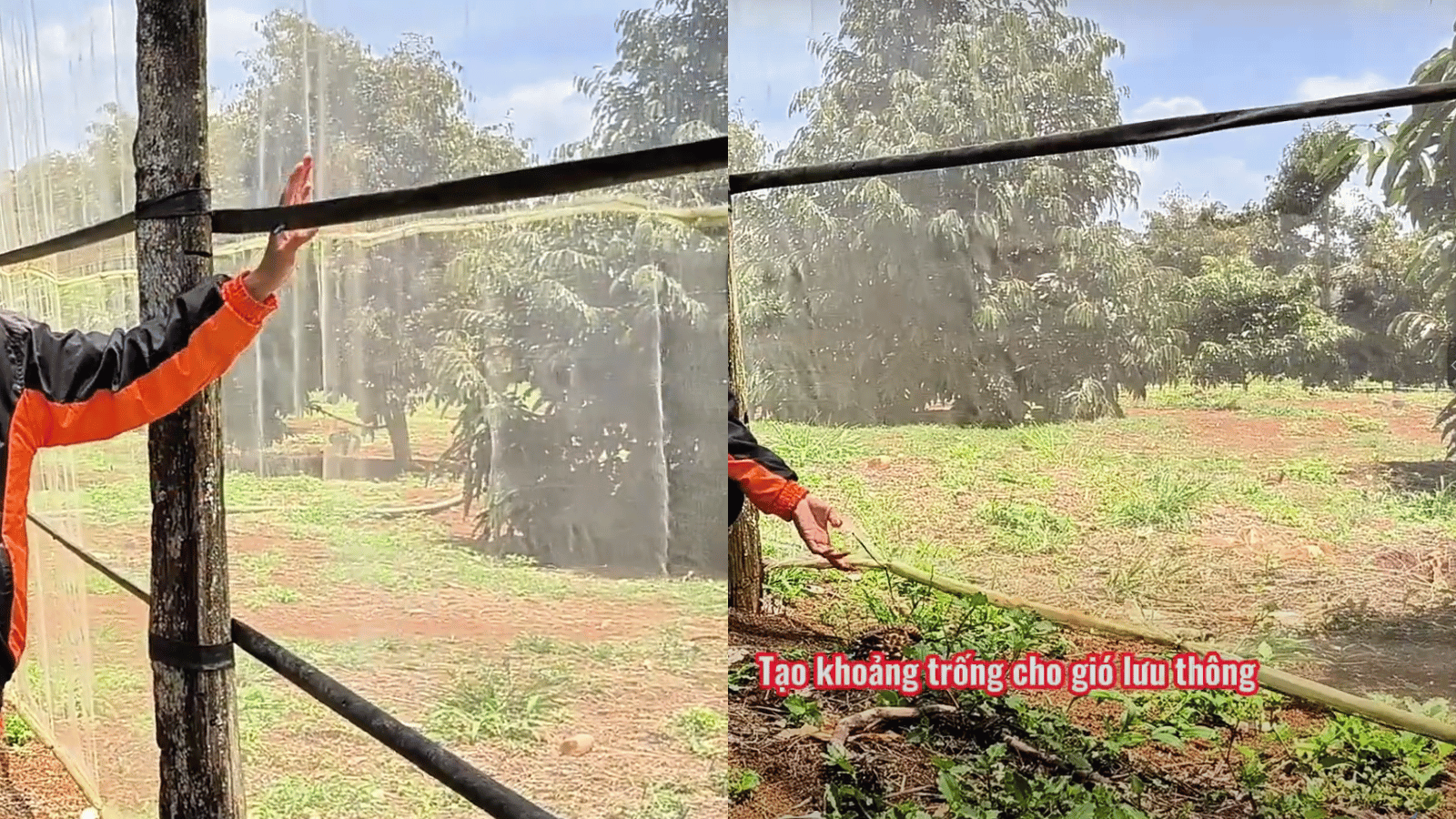
    • Wire mesh or plastic netting: Directly blocks the wind while ensuring durability and strength.

    • PVC pipes: Used as braces or to support the tensioning of nets.
    BMFE

    2. How to Install a Windbreak Fence

    • Choose a suitable location:
      Prioritize placing the fence along the main wind direction entering the orchard.
      In hilly areas, the fence should be erected where wind flows up from the slope.

    • Secure the posts firmly:
      The spacing between posts depends on the length of the fence, typically 3–5 m per post.

    • Properly tension the netting:
      The net should be stretched evenly, not too loose, to ensure effective wind protection.
      Leave small gaps to allow air circulation and prevent excessive pressure on the fence.

    3. Notes When Using Windbreak Fences

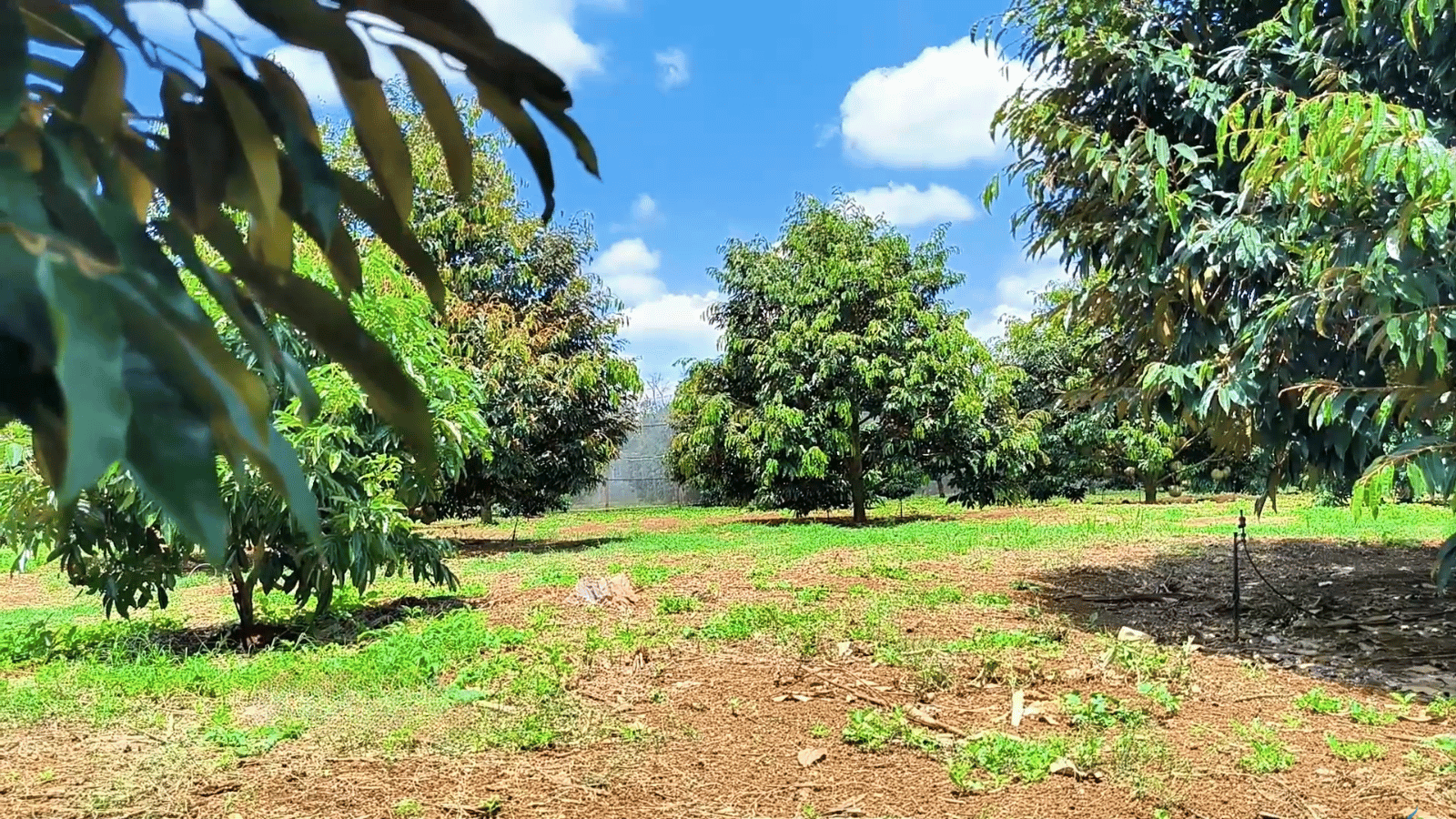
    • This method is most suitable for flat orchards or areas with ample space.

    • For sloped terrain or limited space, adjust materials and fence placement direction accordingly.

    • Regularly inspect the fence, and replace or repair damaged parts to maintain long-term effectiveness.
    BMFE

    Benefits of Applying Windbreak Fences

    • Enhanced crop protection: Minimizes damage caused by strong winds, helping trees grow more sustainably.

    • Long-term cost savings: Although the initial investment may be higher, this method significantly reduces the expenses of repairing damage after storms or heavy rains.

    • Effective for high-value crops: Particularly beneficial for fruit trees such as durian, avocado, or black pepper.

    News

    SOIL MOISTURE AND PH SENSORS: SMART TOOLS TO HELP FARMERS CULTIVATE MORE EFFECTIVELY

    SOIL MOISTURE AND PH SENSORS: SMART TOOLS TO HELP FARMERS CULTIVATE MORE EFFECTIVELY

    INTERCROPPING AND RELAY CROPPING: MAXIMIZING LAND USE – SUSTAINABLE INCOME BOOST FOR FARMERS

    INTERCROPPING AND RELAY CROPPING: MAXIMIZING LAND USE – SUSTAINABLE INCOME BOOST FOR FARMERS

    CROP ROTATION AND CROP DIVERSIFICATION: SUSTAINABLE SOLUTIONS FOR HEALTHY SOIL AND HIGH YIELDS

    CROP ROTATION AND CROP DIVERSIFICATION: SUSTAINABLE SOLUTIONS FOR HEALTHY SOIL AND HIGH YIELDS

    ORGANIC AND BALANCED N-P-K FERTILIZATION: THE KEY TO HEALTHY PLANTS AND HIGH YIELDS

    ORGANIC AND BALANCED N-P-K FERTILIZATION: THE KEY TO HEALTHY PLANTS AND HIGH YIELDS

    WATER-SAVING MANAGEMENT – ALTERNATE WETTING AND DRYING (AWD) FOR RICE CULTIVATION

    WATER-SAVING MANAGEMENT – ALTERNATE WETTING AND DRYING (AWD) FOR RICE CULTIVATION

    RICE THRIPS (STENCHAETOTHRIPS BIFORMIS): IDENTIFICATION, SYMPTOMS, AND CONTROL METHODS

    RICE THRIPS (STENCHAETOTHRIPS BIFORMIS): IDENTIFICATION, SYMPTOMS, AND CONTROL METHODS

    CITRUS TREES – COMMON PESTS AND DISEASES & CONTROL MEASURES

    CITRUS TREES – COMMON PESTS AND DISEASES & CONTROL MEASURES

    MUSTARD GREENS AND CABBAGE – MAJOR PESTS (ARMYWORM, DIAMONDBACK MOTH, APHIDS): EFFECTIVE CONTROL METHODS

    MUSTARD GREENS AND CABBAGE – MAJOR PESTS (ARMYWORM, DIAMONDBACK MOTH, APHIDS): EFFECTIVE CONTROL METHODS

    BLACK PEPPER – QUICK WILT DISEASE (ROOT ROT CAUSED BY PHYTOPHTHORA): SYMPTOMS AND MANAGEMENT

    BLACK PEPPER – QUICK WILT DISEASE (ROOT ROT CAUSED BY PHYTOPHTHORA): SYMPTOMS AND MANAGEMENT

    COFFEE – HEMILEIA RUST DISEASE: DAMAGE AND MANAGEMENT TECHNIQUES

    COFFEE – HEMILEIA RUST DISEASE: DAMAGE AND MANAGEMENT TECHNIQUES

    DURIAN – ANTHRACNOSE ON LEAVES AND FRUITS: PREVENTIVE MEASURES

    DURIAN – ANTHRACNOSE ON LEAVES AND FRUITS: PREVENTIVE MEASURES

    MANGO – ANTHRACNOSE AFFECTS THE ENTIRE TREE: HOW TO IDENTIFY AND CONTROL

    MANGO – ANTHRACNOSE AFFECTS THE ENTIRE TREE: HOW TO IDENTIFY AND CONTROL

    Brown Planthopper and Rice Grassy Stunt Disease: Identification and Prevention Guide

    Brown Planthopper and Rice Grassy Stunt Disease: Identification and Prevention Guide

    White-Backed Planthopper in Rice: Symptoms and Effective Control Measures

    White-Backed Planthopper in Rice: Symptoms and Effective Control Measures

    How to Restore Hardpan and Depleted Soil: Revive the Soil – Grow Strong Rice – Harvest Big

    How to Restore Hardpan and Depleted Soil: Revive the Soil – Grow Strong Rice – Harvest Big

    RICE BUG DAMAGE: THE SILENT THREAT TO GRAIN AFTER HEADING THAT MANY OVERLOOK

    RICE BUG DAMAGE: THE SILENT THREAT TO GRAIN AFTER HEADING THAT MANY OVERLOOK

    GRAIN DISCOLORATION IN RICE: HOW TO PREVENT TOTAL CROP LOSS AFTER HEADING

    GRAIN DISCOLORATION IN RICE: HOW TO PREVENT TOTAL CROP LOSS AFTER HEADING

    SMALL RICE LEAF FOLDER: HOW TO IDENTIFY & COMPLETELY CONTROL BEFORE YOUR FIELD IS DEVASTATED

    SMALL RICE LEAF FOLDER: HOW TO IDENTIFY & COMPLETELY CONTROL BEFORE YOUR FIELD IS DEVASTATED

    Grassy Stunt and Ragged Stunt Disease in Rice: Early Detection & Field-Based Prevention Methods

    Grassy Stunt and Ragged Stunt Disease in Rice: Early Detection & Field-Based Prevention Methods

    Sheath Blight in Rice: Early Detection & 6 Effective Root-Level Solutions

    Sheath Blight in Rice: Early Detection & 6 Effective Root-Level Solutions

    CONQUER RICE BLAST DISEASE (LEAF BLIGHT) – 7 SIMPLE STEPS FOR A BUMPER HARVEST

    CONQUER RICE BLAST DISEASE (LEAF BLIGHT) – 7 SIMPLE STEPS FOR A BUMPER HARVEST

    BMFE WISHES YOU A HAPPY ĐOAN NGO FESTIVAL 2025

    BMFE WISHES YOU A HAPPY ĐOAN NGO FESTIVAL 2025

    Zalo
    Hotline
    Go Top